What Is Plapeel? Its Effects and How It Differs From LHALA Peel
Plapeel is a skin-conditioning peel that combines platinum with PHA and LHA, and results are generally noticed from the 2nd to 3rd session onward. We have organized why peeling of the skin is unlikely to occur, a comparison of ingredients with LHALA Peel, and reactions such as redness and temporary acne.
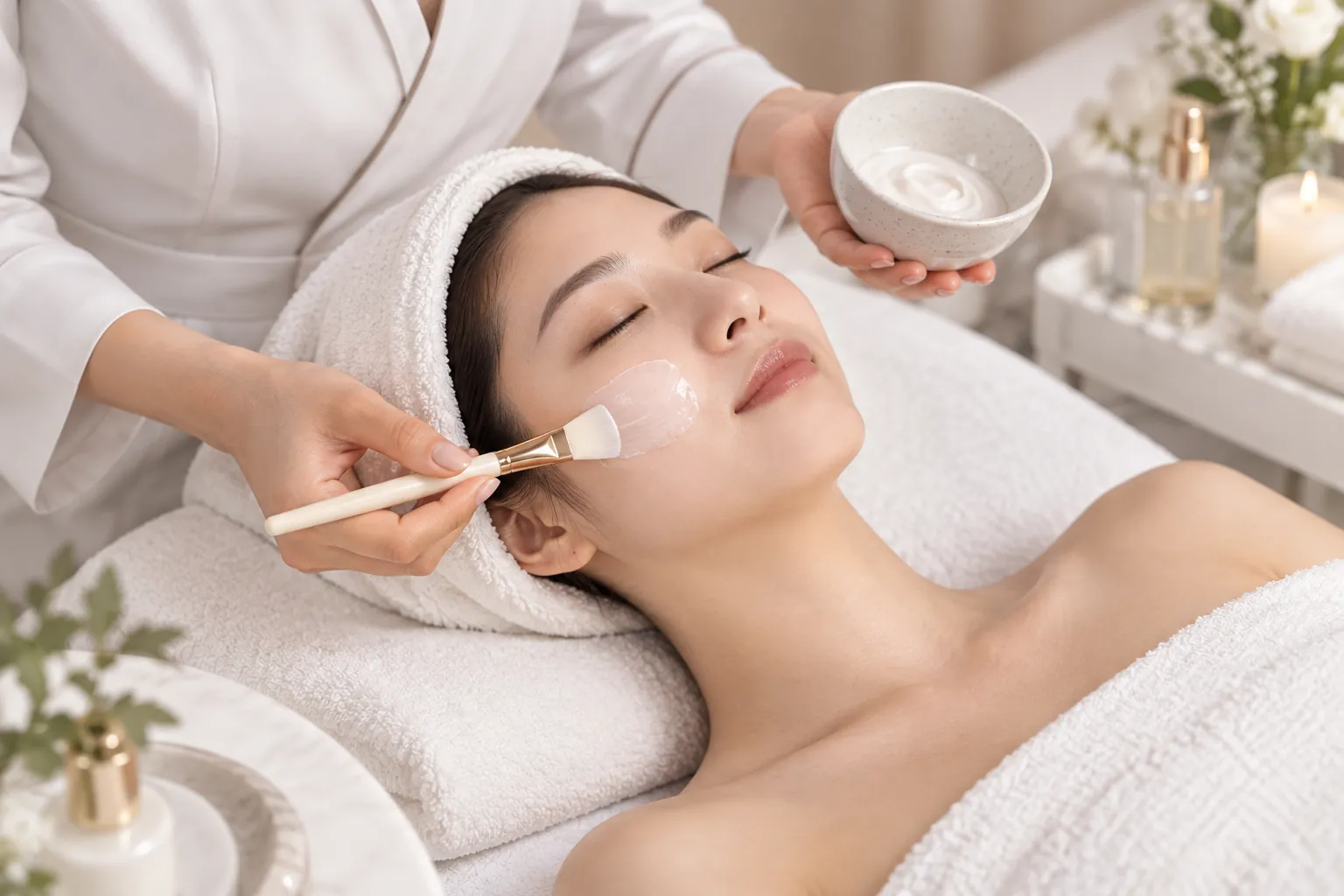
[Key points of this article]
Plapeel is a peel that combines platinum with two types of acids. Rather than forcefully removing the horny layer, it aims to condition the state of the skin.
Because it is designed to minimize large-scale peeling of the skin, makeup can generally be applied from the same day.
Changes are generally noticed from the 2nd to 3rd session onward, and a common approach is to build up about 5 sessions as one set, spaced 2 to 4 weeks apart.
Compared with LHALA Peel, another skin-conditioning peel, the acids and supporting ingredients contained are different.
Since the cost varies with the number of sessions and the treatment area, please check the treatment reservation page.
*This is self-pay treatment not covered by Japanese public health insurance. *Results vary from person to person. *Risks and side effects: redness, stinging, dryness, and temporary worsening of acne may occur.
What Is Plapeel?
Plapeel is a treatment using a peeling agent developed in Korea. Rather than stripping the horny layer with strong acids, it is designed to condition the surface with gentle acids while delivering ingredients that have antioxidant action.
Because of these characteristics, it is classified as a "skin-conditioning peel," distinguished from conventional peels that involve visible peeling of the skin. It may also be used not only on the face but also on the neck, back, and backs of the hands.
The Three Components: Platinum, PHA, and LHA
Platinum nanocolloid — It may act to remove reactive oxygen species generated in the body, and it is included as a measure against oxidative damage.
PHA (polyhydroxy acid) — Its molecules are large, so it does not penetrate rapidly into the deeper skin. It acts gently on the horny layer while also having water-retaining properties.
LHA (lipohydroxy acid) — An ingredient that may blend readily with sebum and reach old keratin inside the pores more easily.
Compared with glycolic acid and other acids used in general peels, PHA has larger molecules and may therefore be gentler in terms of irritation. This combination contributes to the characteristic of acting on the horny layer while limiting peeling of the skin.
Regarding Handling in Japan
The preparations used in Plapeel may include products that have not received approval under Japan's Pharmaceuticals and Medical Devices Act. In such cases, they are obtained through personal importation at the physician's discretion. Peeling agents approved in Japan for the same purpose also exist.
When unapproved preparations are used, it is necessary to understand that they fall outside the scope of the public relief system for adverse health effects. Whether the facility can provide the name of the preparation used and its procurement route in advance is a point to consider.
Effects and What Can Be Expected From Plapeel
Two things can be expected: conditioning dullness caused by accumulated keratin, and acting on oxidative damage.
Changes that can be expected
Old keratin is conditioned, and the skin surface feels smoother
The dull impression lessens, and brightness changes
Acts on keratin clogging the pores, reducing roughness
Sebum balance is conditioned, working toward a state in which acne is less likely to form
How lotions and serums absorb changes
However, this is not a treatment that erases clearly defined pigmented spots or deep wrinkles. When these are the main concern, laser or injection methods are considered as well.
Number of Sessions and Intervals Before Results Are Noticed
Skin smoothness can change even after a single session, but it is generally explained that a clear difference is noticed from the 2nd to 3rd session onward. Taking the turnover cycle of the horny layer into account, a common approach is to build up about 5 sessions as one set, spaced 2 to 4 weeks apart.
After completing the initial period, maintaining the condition with about one session per month is realistic. Because the change with each session is gradual, it is important not to judge partway through, but to continue for a set period and then review the results.
Differences Between Plapeel and LHALA Peel
LHALA Peel is another treatment mentioned as a skin-conditioning peel. The purposes are similar, but the ingredients contained differ.
Item | Plapeel | LHALA Peel |
|---|---|---|
Main ingredients | Platinum, PHA, LHA | A composition based mainly on lactobionic acid |
Origin | Korea | Italy |
Direction of action | Action on keratin and sebum + antioxidant action | Action on keratin + moisturizing and firmness |
Peeling of the skin | Designed so that it is unlikely to occur | Designed so that it is unlikely to occur |
Treatment interval | Every 2 to 4 weeks | Every 2 to 4 weeks |
How cost is determined | Depends on the number of sessions and the area | Depends on the number of sessions and the area |
Generally, the choice is made according to the concern: a composition containing LHA when clogged pores or roughness from sebum is the concern, and a composition based mainly on lactobionic acid when dryness or loss of firmness is central. Which one is suitable varies with the condition of the skin, so it is important to decide after sorting this out during consultation.
Cases Suited to Plapeel and Cases Where the Treatment Is Not Suitable
Cases in which it is often considered
Dullness and roughness are a concern, and makeup no longer sits well
Clogged pores and small pimples keep recurring
You want to avoid treatments that involve peeling of the skin
Your schedule is full and it is difficult to take time off
You want to treat the neck and back as well as the face
Cases where the treatment is not suitable or requires careful consideration
Those with marked inflammation, wounds, or infection in the area to be treated
Those in a period when the skin is sensitive due to conditions such as atopic dermatitis
Those who are pregnant or breastfeeding
Those who have recently been sunburned
Those using strongly irritating topical medications such as retinol
Those with an allergy to the ingredients
When the main concerns are deeply etched wrinkles or changes in facial contour due to sagging, peeling alone is a case in which the expected result is unlikely to appear. Since decisions are based on consultation, please inform us in advance of your medical history, allergy history, and any topical medications you are using.
Downtime With Plapeel
Because it is designed to minimize large-scale peeling of the skin, the impact on daily life is generally small. The expected course is as follows.
Redness: a few hours to about 1 day
Stinging: during and immediately after the treatment, for several tens of minutes
Dryness and a tight feeling: about 2 to 3 days
Fine peeling of the skin: about a few days if it occurs
Makeup can generally be applied from the same day. However, on the day of treatment, be more mindful than usual about sun protection and take care not to rub the skin. Immediately after the horny layer has been conditioned, the skin is more susceptible to external irritation.
It is important to avoid saunas, long baths, and vigorous exercise on the day of treatment. Increased blood flow can make redness more pronounced.
Disadvantages, Risks, and Side Effects of Plapeel
Even with a gentle design, this does not mean that no reactions occur at all. It is important to understand the possible reactions and their reasons.
Redness and stinging — A temporary reaction as the acids act on the horny layer. It is felt more readily during periods when the skin is dry.
Dryness and a tight feeling — As the surface horny layer is conditioned, moisture temporarily escapes more easily. It is important to moisturize more carefully than usual.
Temporary increase in acne — As pore clogging is pushed toward the surface, small pimples may appear after the treatment. They generally settle within a few days to about 2 weeks.
Pigmentation — If the skin is exposed to strong ultraviolet light after the treatment, inflammation may trigger residual pigmentation. Continued sun protection helps prevent this.
Itching and rash — Rarely occurs as a reaction to the ingredients. If it worsens, it is important not to continue on your own judgment but to contact us.
Also, this is not a treatment that produces a large change in a single session. It is a method that assumes repeated sessions, and if you stop partway through, the skin gradually returns to its original state. Please plan with this in mind.
Frequently Asked Questions About Plapeel
Is it painful?
You may feel stinging or warmth while the agent is applied, but it is gentler than treatments using strong acids. Sensations vary from person to person, and irritation is felt more readily during periods when the skin is dry. If it concerns you, please tell us during the treatment.
How many sessions are needed before results are noticed?
It is generally explained as from the 2nd to 3rd session onward. A realistic approach is to plan about 5 sessions as one set, spaced 2 to 4 weeks apart, and then review the results. If you judge after a single session, you will finish your evaluation before the changes have accumulated.
Can I wear makeup from the same day?
Because it is designed so that peeling of the skin is unlikely, makeup can generally be applied from the same day. However, if redness remains, please judge according to the condition of your skin. It is important not to rub when removing makeup.
Can it be combined with other treatments?
For the purpose of conditioning the skin, a plan may be made to combine it with treatments such as skin booster injections or Dermapen at different times. Whether they can be performed on the same day is decided at consultation, taking the burden on the skin into account.
Summary
Plapeel is a peel combining platinum with PHA and LHA, and rather than forcefully stripping the skin, it aims to condition the state of the skin. Because peeling of the skin is unlikely, makeup can generally be applied from the same day.
Results are generally noticed from the 2nd to 3rd session onward, and a common approach is to build up about 5 sessions spaced 2 to 4 weeks apart. The acids contained differ from those in LHALA Peel, another skin-conditioning peel, and the two are chosen according to whether pores and sebum are the concern or dryness and firmness are the concern.
Since reactions such as redness and a temporary increase in acne can also occur, please begin after sorting out the condition of your skin and your goals at consultation. Please check the cost on the treatment reservation page.
References and Sources
Ministry of Health, Labour and Welfare, "Medical Advertising Guidelines"
Handling information for the preparations used (please confirm the details at your consultation)
*This is self-pay treatment not covered by Japanese public health insurance. *Results vary from person to person. *Side effects and risks: redness, stinging, dryness, a tight feeling, and fine peeling of the skin in the treated area, a temporary increase in acne, pigmentation, and allergic reactions such as itching or rash may occur. *As a standard treatment period and number of sessions, about 5 sessions spaced 2 to 4 weeks apart is the guide, after which continuing at about once a month is the guide. Prices vary with the period, campaigns, and contract conditions, so please check the treatment reservation page and campaign page.
Supervising physician: Rina Shindo, Director (Cosmetic Dermatology)
Graduated from Shiga University of Medical Science, School of Medicine
2019: Sumitomo Hospital (general incorporated foundation)
2021: Department of Dermatology, Kobe University Hospital
2022: Chief at a major cosmetic surgery clinic
2025: Director, PGC CLINIC SHINJUKU
Your next step, at your own pace.
Explore the official website for pricing and appointment information.
Pricing & booking