Why Does Chin Acne Keep Coming Back? 3 Causes, Care Methods, and Dermatologic Treatments Explained
Chin acne recurs when dryness, clogged pores, and hormonal fluctuations overlap. We have compiled a comparison table by area — chin, jawline, and around the mouth — along with a nutritional answer to the question "What am I lacking?" Useful for organizing your thoughts before a consultation.
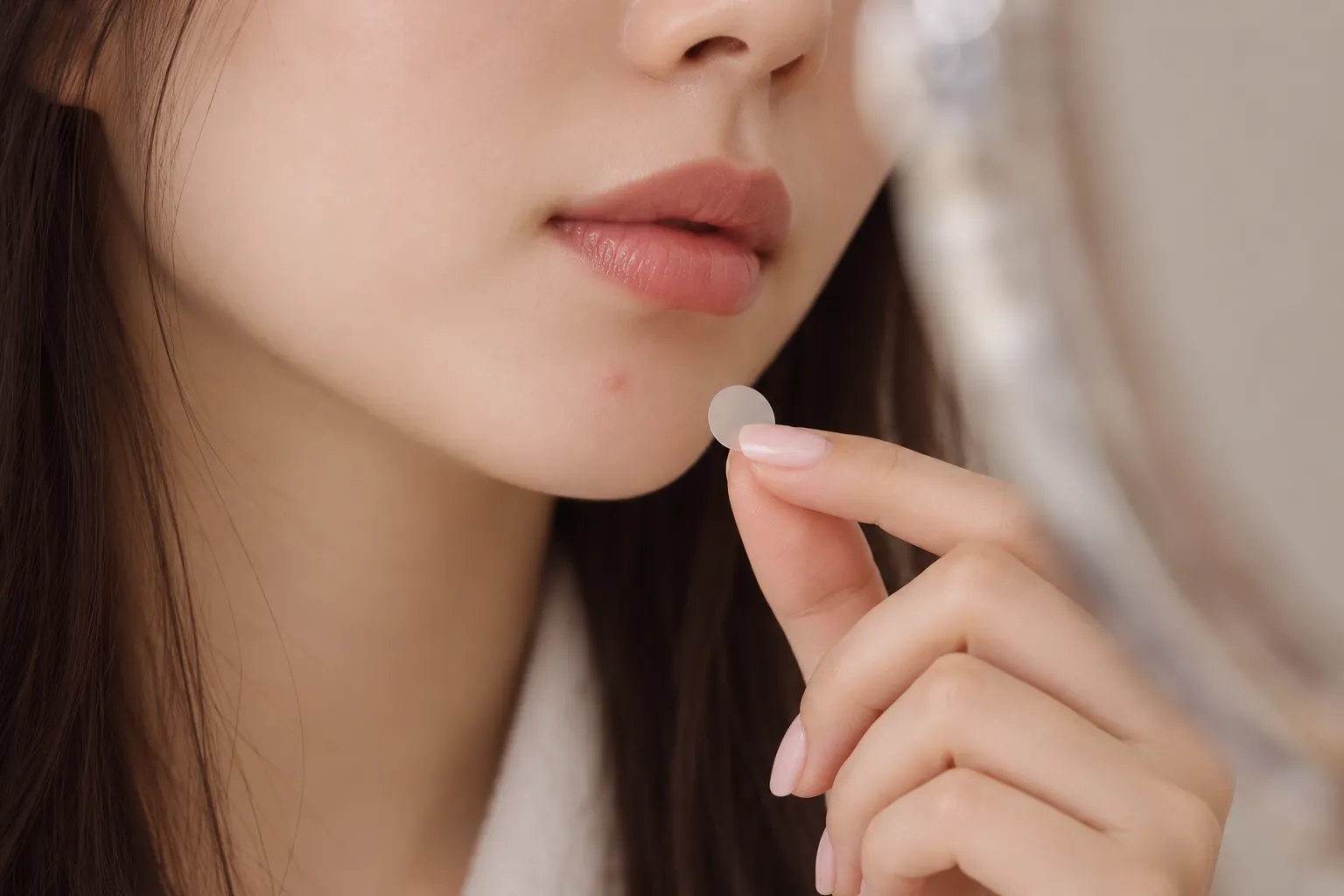
Just when you think it has cleared, another pimple appears in the same area of the chin. Are you troubled by this cycle?
Chin acne is a condition in which sebum and dead skin cells clog the pores from the chin to the jawline, and inflammation develops there.
Behind recurring chin acne, several factors may overlap, including an imbalance between dryness and sebum, clogged pores, hormonal fluctuations, and friction. In this article, we organize the causes, the characteristics of each area, self-care, and the treatments available at dermatology and aesthetic dermatology clinics, and we also answer the question "What deficiency causes it?" from a nutritional perspective.
*Aesthetic dermatology procedures are self-pay treatments not covered by Japanese public health insurance (some topical and oral medications are covered by insurance). *Results vary from person to person. *Risks and side effects: Dryness, redness, and irritation from treatment medications, and redness or stinging from procedures may occur.
The causes of acne and the response to treatment vary from person to person.
It is important not to stop prescribed medication on your own judgment.
If symptoms persist or worsen, please consult a medical institution.
This content is also useful for organizing your thoughts before a visit if you are considering consulting a dermatology or aesthetic dermatology clinic in Shinjuku.
What Is Chin Acne? Characteristics That Make It Prone to Recur in Adulthood
Unlike adolescent acne, which centers on the forehead, chin acne tends to become more noticeable in adulthood. The chin has many sebaceous glands yet also dries easily, and it is an area frequently touched by the hands, hair, and masks. Because these conditions overlap, it may tend to recur in the same place.
How Chin Acne Forms and How Comedones and Inflammation Progress
Acne generally progresses through the following stages.
The pore opening narrows — Dead skin cells thicken and block the outlet for sebum.
Comedones (whiteheads and blackheads) — A state in which sebum has accumulated inside the pore. Inflammation has not yet occurred.
Red pimples — A state in which acne bacteria multiply using the accumulated sebum as nutrition, causing inflammation.
Pustules and nodules — A state in which inflammation has intensified and pus has collected, or the deeper layers of the skin have become firmly swollen.
When inflammation reaches the deeper layers, redness, pigmentation, or uneven scarring may remain after it heals. If you repeatedly develop red pimples, it is important to care for the skin starting at the comedone stage, before anything is visible on the surface.
Characteristics of Acne on the Chin, Jawline, and Around the Mouth
Area | Commonly observed characteristics | Factors commonly involved | Points to reconsider |
|---|---|---|---|
Chin | Recurs in the same place; prone to becoming nodular | Hormonal fluctuations, dryness, resting the chin on the hand | Habit of touching; insufficient moisturizing |
Jawline | Scattered from below the ear to the tip of the chin | Friction from hair or masks; leftover residue from rinsing | Hairstyle; how facial cleanser is rinsed off |
Around the mouth | Small bumps that persist | Irritation while eating and drinking, lip products, toothpaste | Wiping around the mouth; cosmetics |
Fine bumps around the mouth may sometimes be a skin condition other than acne. If you cannot tell the difference, do not continue applying acne medication; have it checked at a consultation.
Causes of Chin Acne | 3 Factors Linked to Recurrence
Chin acne may arise when three elements overlap: "dryness and sebum," "clogged pores," and "hormonal fluctuations, lifestyle habits, and friction."
How Dryness, Sebum Secretion, and Clogged Pores Overlap
The chin has relatively thin skin and is an area prone to dryness. When the skin becomes dry, the dead skin layer becomes hard and thick, narrowing the pore opening. When sebum is then secreted, it becomes trapped inside the pore with its outlet blocked, resulting in a comedone.
The habit of "washing the face more often because it feels oily" can instead intensify dryness and become a factor in thickening the dead skin layer. Is there excess sebum, is the skin dry, or is it in fact both? Some time after washing your face, try touching your chin to check.
Why Hormonal Fluctuations, Lifestyle Habits, and Friction Have an Influence
Hormonal fluctuations — Before menstruation, the skin is more susceptible to the influence of hormones involved in sebum secretion, and some people feel that acne increases around the chin.
Lack of sleep and stress — The balance of the autonomic nervous system and hormones may become disrupted, which may affect sebum secretion and skin recovery.
Friction and pressure — Irritation from resting the chin on the hand, masks, the ends of the hair, and contact with a smartphone thickens the dead skin layer and can trigger inflammation.
Residual skincare and makeup — The chin is an area where cleanser and makeup remover are easily left behind when rinsing.
While hormonal fluctuations are difficult to change on your own, friction and incomplete rinsing can be reviewed starting today. If acne increases in line with your menstrual cycle, a record of this can serve as information for assessment at your consultation.
How to Treat Chin Acne | 3 Self-Care Steps to Avoid Worsening

The aim of self-care is to avoid forming new comedones and to prevent existing inflammation from worsening. The three basics are cleansing, moisturizing, and avoiding friction.
Skincare Basics: Cleansing, Moisturizing, and Avoiding Friction
Wash your face twice a day, morning and night — Work up a good lather and wash without rubbing. Lather easily remains under the chin and along the jawline, so rinse carefully with lukewarm water.
Moisturize immediately after washing — Moisturizing is necessary even for those with abundant sebum. Products labeled as non-comedogenic tested and the like are commonly chosen.
Do not touch or squeeze — Squeezing with the fingers spreads inflammation into the deeper layers and can cause scarring.
Keep the things that touch your skin clean — Frequently change items that come into contact with the chin, such as pillowcases, masks, and smartphone screens.
First, try paying attention for about a week to check whether you have a habit of resting your chin on your hand or touching your chin.
Cases Difficult to Improve with Self-Care Alone, and When to Seek Care
The following are indications to consider seeing a doctor.
No change after continuing over-the-counter medication or self-care for 2 weeks to 1 month
Red, swollen pimples or nodules keep recurring
Strong pain, or many lesions containing pus
Redness, pigmentation, or unevenness from acne scars has begun to remain
It has spread not only on the chin but also to the cheeks and neck
The deeper the inflammation becomes, the more likely scars are to remain, so consulting at the stage when it begins to recur gives you a wider range of options.
Treatments for Chin Acne | Options Available at Dermatology and Aesthetic Dermatology Clinics
At medical institutions, it is common to combine treatments that improve clogged pores with treatments that suppress inflammation, according to the stage of the symptoms.
Topical and Oral Medications for Comedones and Inflammation
Topical medications that improve clogged pores — Topical agents such as adapalene, which suppress thickening of the dead skin layer and act from the comedone stage.
Benzoyl peroxide topical medication — A topical agent that both reduces acne bacteria and helps the dead skin layer shed more easily.
Topical and oral antibacterial medications — Used for inflamed red pimples and pustules. To avoid resistant bacteria, it is important not to use them indiscriminately over a long period.
With topical medications, it generally takes about 2 to 3 months before a change is noticed. Even after the inflammation settles, there is a "maintenance" period during which topical use is continued to prevent recurrence.
The Role of Peels and Other Procedures Considered in Aesthetic Dermatology
In aesthetic dermatology, the following procedures may be considered as a complement to drug treatment.
Chemical peeling — Acids are used to remove dead skin cells, aiming for a state in which the pores are less prone to clogging.
Light and laser procedures — Sometimes used with the aim of suppressing inflammation or addressing the redness of acne scars.
Please consult us if you feel that "recurrence is a concern with medication alone" or that you "would also like to address the scars."
Comparing Chin Acne Treatments | Options According to Symptoms
Treatment is not a matter of choosing one option; it is combined according to the stage of the symptoms.
Item | Topical medication | Oral medication | Chemical peeling |
|---|---|---|---|
Mechanism | Improves clogged pores and reduces acne bacteria | Suppresses inflammation from inside the body | Removes dead skin cells, making clogging less likely |
Suitable symptoms | A wide range, from comedones to red pimples | When there are many strongly inflamed pimples | When there are many comedones or frequent recurrence |
Downtime | Dryness and redness are likely at the start of use | Generally no direct reaction on the skin | Redness and dryness for several hours to several days |
Approach to cost | Many are covered by Japanese public health insurance | Many are covered by Japanese public health insurance | Self-pay treatment not covered by Japanese public health insurance (please check the procedure booking page) |
Points to note | Continuation is assumed; do not stop on your own judgment | Watch for gastrointestinal symptoms and avoid long-term use | May appear to worsen temporarily |
The basic approach is topical medication plus peeling at the stage when there are many comedones, and adding oral medication when inflammation is strong. Because which combination suits you is determined at the consultation, please come and consult us even if you are unsure which stage you are at.
What Deficiency Causes Chin Acne? The Relationship with Nutritional Deficiency Explained
To state the conclusion first, no single cause has been established that would allow us to say "chin acne occurs because this nutrient is lacking." However, it is conceivable that an unbalanced diet may affect sebum secretion and skin recovery, creating a basis on which acne is more likely to recur. Rather than searching for one single "missing" item, looking at the overall imbalance leads more readily to improvement.
Why It Cannot Be Simplified to "A Deficiency of a Specific Nutrient Causes Chin Acne"
Acne is a condition that arises when multiple elements overlap: clogged pores, sebum, acne bacteria, and inflammation. Although nutrition may be involved in some of these, it does not by itself create or cure acne.
Nutrients whose relationship with the skin is often discussed include the following.
Vitamins B2 and B6 — Nutrients involved in lipid metabolism, whose relationship with sebum secretion is often discussed.
Vitamin A — A nutrient involved in the turnover of the skin's dead cell layer.
Vitamin C — Known as a nutrient with antioxidant action that helps maintain skin condition.
Zinc — A mineral involved in skin metabolism.
Dietary fiber — Its relationship with the skin is sometimes discussed in connection with the intestinal environment.
What should be noted is the idea that "taking these will cure it." Even if you take plenty of B vitamins, acne will recur if the pores remain clogged. Taking large amounts of only a specific ingredient in supplement form may instead disturb the condition of the skin.
Another pitfall is delaying a consultation because of the belief that "it should clear up if I change my diet." There are cases in which, while waiting to see how strongly inflamed acne responds to diet alone, it progresses to a stage where scars remain. It is important to regard a review of nutrition not as a substitute for treatment, but as something that prepares the foundation of the skin alongside treatment.
Points to Consider Regarding Diet, Nutritional Balance, and Skin Condition
Uniformly avoiding particular foods is not positioned as a treatment. On that basis, the points to review when considering the condition of the skin are as follows.
Whether staple foods, main dishes, and side dishes are all present — If meals consisting only of noodles or bread continue, vitamins and minerals tend to be lacking.
The frequency of sweet drinks and snacks — It has been noted that if meals that cause a rapid rise in blood sugar continue, sebum secretion may be affected. Check whether this has become a daily habit.
Whether greasy meals have been continuing — When the diet is skewed toward fried foods and processed foods, the intake of vegetables and protein relatively decreases.
Whether you are getting enough protein — A nutrient that serves as material for the skin. Aim to include one item from among meat, fish, eggs, or soy products at every meal.
Meal timing and sleep — Late-night meals and lack of sleep cut into the time available for skin recovery.
If you are concerned about a relationship with a particular food, try keeping notes on your meals and the increase or decrease in acne for about 1 to 2 months. Because skin turnover takes time, reviewing in terms of months rather than days makes your own tendencies easier to see. Such a record also serves as material for discussion at your consultation.
Disadvantages, Risks, and Side Effects of Chin Acne Treatment
Treatment medications and procedures also have side effects. Knowing about them can prevent you from mistakenly thinking it "got worse" and discontinuing treatment.
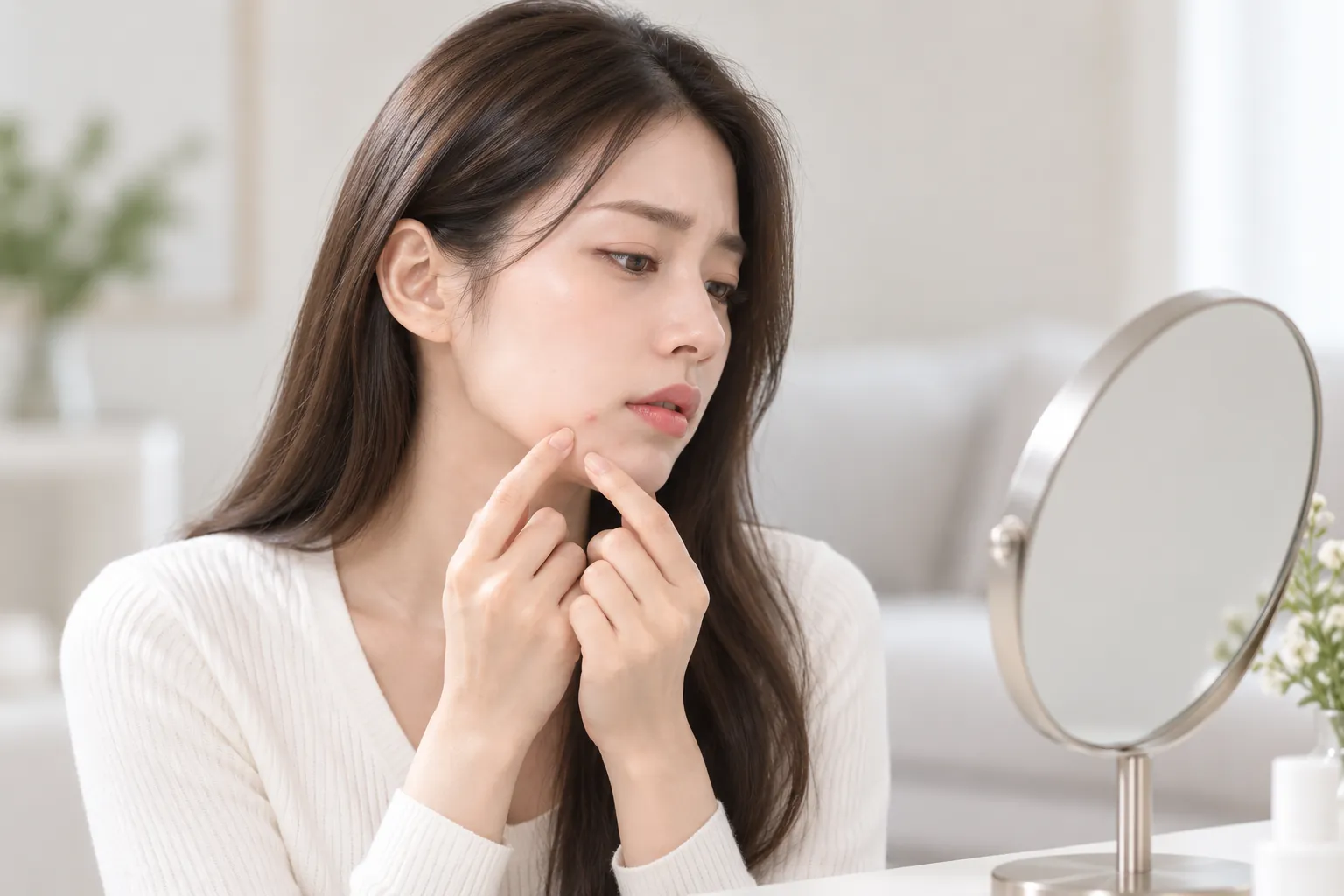
Possible Side Effects and Precautions with Topical and Oral Medications
Dryness, redness, stinging, and peeling — Reactions that tend to appear around the first 2 weeks of use with topical medications that improve clogged pores. They are due to the agent's action on the dead skin layer, and generally settle down as moisturizing is used alongside.
Irritation (contact dermatitis) — May occur as a reaction to an ingredient. If strong itching or swelling appears, stop use and contact a medical institution.
Bleaching of clothing and hair — Because benzoyl peroxide has a bleaching action, the color of pillowcases and towels may fade.
Gastrointestinal discomfort, dizziness, and photosensitivity — Symptoms that may occur with oral antibacterial medications. The symptoms that are more likely to appear differ depending on the type of medication.
Because there are medications that cannot be used during pregnancy or breastfeeding, please inform us in advance, together with any medications you are currently taking.
Redness, Irritation, and Temporary Worsening After Aesthetic Procedures, and Individual Variation
Redness and stinging — A temporary reaction arising from the action of the peeling acid on the dead skin layer.
Dryness and a feeling of tightness — After dead skin cells are removed, moisture temporarily escapes more easily.
A temporary increase in acne — In the process of clogged material being pushed out to the surface, acne may appear to increase temporarily.
Pigmentation — If the skin is exposed to strong ultraviolet light after inflammation, color may remain.
How reactions appear varies depending on the condition of the skin and the intensity of the procedure. Please also understand that this is a method that presupposes repeated sessions.
Frequently Asked Questions
Can stress be a cause of chin acne?
Stress alone cannot be called the cause, but it may be one contributing factor. When stress continues, the balance of hormones and the autonomic nervous system becomes disrupted, and sebum secretion tends to increase. An unconscious habit of touching the chin more often can also trigger worsening.
What kind of condition is the "worst kind of acne"? What are the signs that a consultation is needed?
Caution is required when inflammation reaches the deeper layers of the skin and forms firm nodules or swelling filled with pus. If there is strong pain, the nodule does not subside, or the number has suddenly increased, this is a stage at which scars are likely to remain, so please seek care promptly.
Is eating fruit effective for reducing acne?
Fruit is one way to obtain vitamin C and dietary fiber, but there is no evidence to say that any particular fruit reduces acne. An unbalanced intake can lead to excessive sugar consumption. It is important to have fruit as part of the day's meals, together with vegetables and protein.
If chin acne is not clearing up, when should I see a dermatologist?
The guideline is when there is no change after continuing self-care or over-the-counter medication for 2 weeks to 1 month. If you repeatedly develop red, swollen pimples or scars have begun to remain, please consult us promptly regardless of how much time has passed.
Summary
Chin acne may recur when an imbalance between dryness and sebum, clogged pores, hormonal fluctuations, and friction overlap. The basis is to avoid forming new comedones through self-care, and if it does not improve, topical medications, oral medications, and peeling are combined according to the symptoms.
Rather than searching for one single "missing" item, balancing your overall diet and sleep forms the foundation of the skin. However, a review of nutrition is not a substitute for treatment. If you are at the stage where acne recurs, becomes nodular, or scars have begun to remain, please consult us promptly. For the cost of aesthetic dermatology procedures, please check the procedure booking page.
References and Sources
Ministry of Health, Labour and Welfare, "Medical Advertising Guidelines"
Japanese Dermatological Association, "Guidelines for the Treatment of Acne Vulgaris and Rosacea"
*This is a self-pay treatment not covered by Japanese public health insurance. *Results vary from person to person. *Side effects and risks: Dryness, redness, stinging, peeling, and irritation from topical medications; gastrointestinal discomfort, dizziness, and photosensitivity from oral medications; and redness, stinging, dryness, a temporary increase in acne, and pigmentation from chemical peeling may occur. *As a guide to the standard treatment period and number of sessions, it takes about 2 to 3 months to notice a change with topical medications, and chemical peeling is repeated multiple times at intervals of 2 to 4 weeks. Prior confirmation is required regarding side effects and the procurement route when devices that have not received approval are used. Prices vary depending on the period, campaigns, and contract conditions, so please check the procedure booking page and campaign page.
Supervised by: Director Rina Shindo (Aesthetic Dermatology)
Graduated from Shiga University of Medical Science, Faculty of Medicine, Department of Medicine
2019 Sumitomo Hospital (General Incorporated Foundation)
2021 Department of Dermatology, Kobe University Hospital
2022 Chief at a major cosmetic surgery clinic
2025 Director, PGC CLINIC SHINJUKU
Your next step, at your own pace.
Explore the official website for pricing and appointment information.
Pricing & booking