What Is Dermapen? Effects, Duration, and Drawbacks Explained
A balanced overview of what Dermapen is, including how it works, the effects that may be expected, downtime, drawbacks and side effects such as redness and pigmentation, and how to think about pricing.
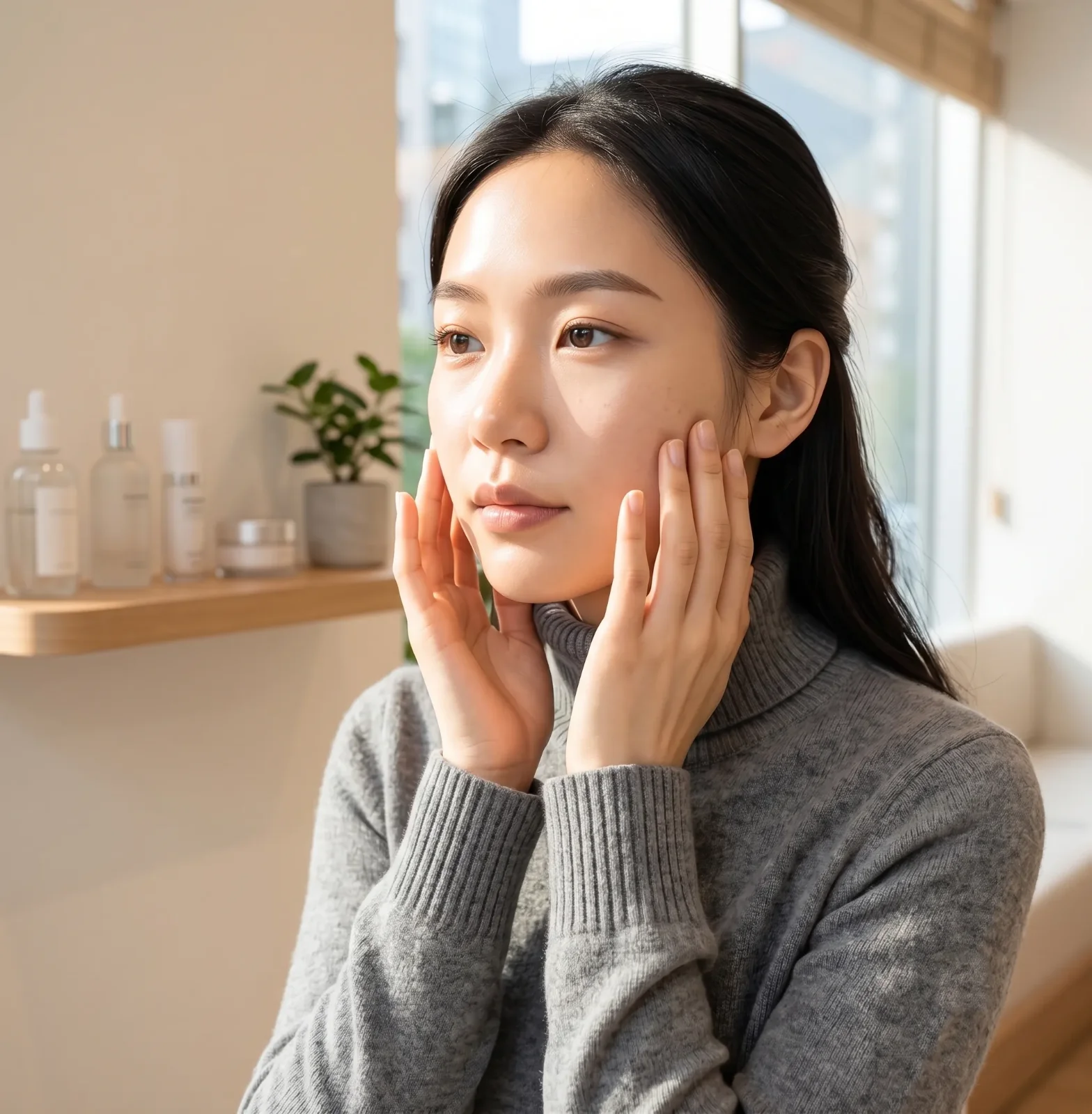
[Key points of this article]
- Dermapen is a treatment that applies very small stimuli to the skin with ultra-fine needles, working on the skin's inherent capacity to repair itself.
- It may be considered for a wide range of skin concerns, such as acne scars, enlarged pores, fine lines, and reduced skin firmness.
- Downtime is considered relatively short, but redness, stinging, and mild swelling may occur.
- How long the effects last and how many sessions are needed vary from person to person, and multiple sessions may be considered.
Many people who are bothered by acne scars or enlarged pores have probably come across the term Dermapen. Even if you have heard the name, it can be hard to understand what the treatment actually involves and what effects and risks it carries. This article outlines Dermapen from a neutral perspective, covering how it works, its effects, downtime, and drawbacks.
What Is Dermapen?
Dermapen is a treatment in which a dedicated device fitted with multiple ultra-fine needles creates very small openings on the skin surface, delivering fine stimulation. Using this stimulation as a trigger, it acts on the skin's inherent repair processes with the aim of changing skin quality. The needle depth is generally adjusted according to the condition of the skin and the area treated.
When fine micro-injuries are made in the skin, the repair process is thought to promote activity involved in producing collagen and other components. Using this mechanism, the treatment may address skin concerns such as uneven acne scars, enlarged pores, and fine lines. However, the way changes appear varies from person to person, and the same results do not occur for everyone.
In recent years, a device known as Dermapen 4 has also become well known, with distinctive features such as the number of needles and how it operates. Which device is used and at what depth the treatment is performed are decisions the physician makes according to the condition of the skin and the goals of treatment. Since treatment details are not uniform, it is important to confirm them during the prior consultation.
Main Effects That May Be Expected from Dermapen
Dermapen may be considered for a wide range of skin concerns. Representative examples include uneven acne scars, enlarged pores and pore tightening, fine lines, reduced skin firmness, and noticeable pigmentation. By working on the skin's recovery process, the aim is to improve the texture of the skin.
Rather than producing a large change in a single session, such effects are more often noticed gradually over multiple sessions. The appropriate number of sessions and intervals differ depending on the condition of the skin and the type of concern. Since the degree of change that can be expected cannot be stated definitively, it is advisable to set expectations in consultation with a physician before treatment.
Who Dermapen May Suit
Dermapen is a treatment considered for people with a variety of skin concerns. Here we outline the kinds of goals it may suit. However, whether it is appropriate depends on the condition of the skin and individual constitution, so a physician's judgment is ultimately required.
It may be considered for those bothered by uneven acne scars, those who wish to improve enlarged pores, and those who are beginning to notice fine lines or reduced firmness. It also tends to be chosen by people who are hesitant about procedures involving a scalpel but who want an approach to skin quality itself. For those who wish to reconsider the overall texture of their skin, it can be one option.
On the other hand, treatment may be difficult if there is marked inflammation or active acne in the treatment area, or if certain skin diseases are present. Caution is also required for those who are pregnant or whose skin is in a sensitive state, so it is important to provide accurate information to the physician beforehand. Suitability is not uniform, so confirmation during consultation is essential.
How Long the Effects of Dermapen Last
How long the effects of Dermapen last is a point many people are concerned about. Here we outline general considerations, but please keep in mind that duration is greatly influenced by the condition of the skin and lifestyle habits, so there is considerable individual variation.
Dermapen is a treatment that works on the skin's recovery process, and the resulting change is not something that is completed in a single session. For this reason, it is generally undergone multiple times, aiming for gradual changes in skin texture. As for how long the effects last, it is difficult to state a fixed number of months, and this may vary with the condition of the skin and how it is cared for.
If you wish to maintain the change, continuing treatment at set intervals may be considered. However, the number of sessions and intervals should be decided in consultation with a physician while monitoring the condition of the skin, and cannot be stated definitively. Daily skincare, sun protection, and other aftercare following treatment also relate to the condition of the skin.
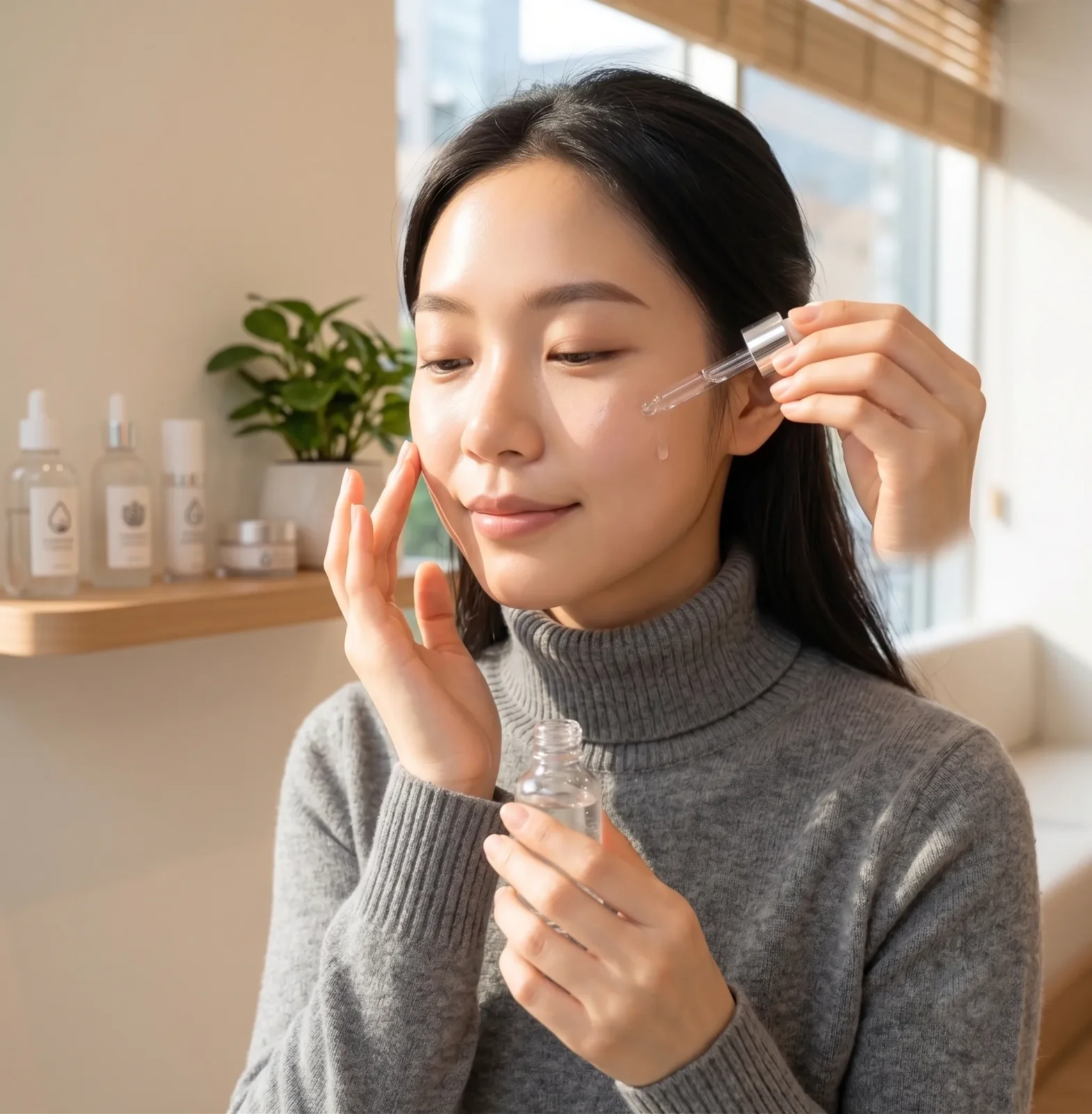
Dermapen Downtime
Dermapen is often described as a treatment with relatively short downtime, but that does not mean no reactions occur at all. Here we outline the course that may follow treatment. The way reactions appear and their degree vary from person to person.
Redness, stinging, mild swelling, and dryness of the skin may occur in the treated area. These often settle gradually over several days after treatment, but depending on the needle depth and the condition of the skin, they may last longer. Since the skin tends to be in a sensitive state immediately after treatment, careful aftercare is required.
After treatment, you may be advised to avoid rubbing the skin firmly or stimulating it excessively. Being mindful of moisturizing and sun protection is also important in helping the recovery settle. If redness or discomfort continues, or if you notice symptoms that differ from the usual course, it is advisable to consult a physician rather than judging on your own.
Drawbacks, Risks, and Side Effects of Dermapen
Understanding the drawbacks and risks associated with Dermapen, not only its effects and benefits, is essential when considering treatment. Here we outline the reported side effects and risks. Their frequency and severity vary from person to person, and they do not occur in everyone.
Relatively Common Side Effects
Reactions relatively often seen after treatment include the following.
- Redness: The treated area may become temporarily red.
- Stinging: A sensation of irritation may be felt after treatment.
- Swelling: Mild swelling may occur depending on the area.
- Bruising: Bruising may occur due to needle stimulation.
- Dryness: The skin may become prone to dryness after treatment.
Most of these settle over time, but if symptoms of concern persist, consulting a physician is recommended.
Less Frequent but Noteworthy Risks
Although rare, some risks worth noting have also been reported.
- Pigmentation: Discoloration may remain due to post-treatment irritation, ultraviolet exposure, and other factors.
- Infection: Bacteria may enter through the treated area, causing inflammation.
- Burns: Depending on the device settings and condition, burns may rarely occur.
- Worsening of skin problems: Depending on the condition of the skin, the treatment may instead act as an irritant.
While such risks are considered infrequent, it is important to understand them in advance. The degree of risk may vary with post-treatment care and with settings chosen according to the condition of the skin. So that you can seek advice promptly if you notice anything unusual, it is a good idea to confirm the process for responding to problems before treatment.
Dermapen and How to Think About Pricing
Dermapen is often provided as self-pay treatment not covered by Japanese public health insurance, and costs differ according to the area treated, the number of sessions, any combined agents used, and the medical institution. Here we outline general perspectives for thinking about pricing. Specific amounts cannot be stated definitively in this article.
Pricing generally varies with the area and number of sessions and whether cosmetic ingredients are used alongside the treatment. Because Dermapen is a treatment that may be undergone multiple times, it is advisable to consider not only the cost per session but also the outlook if treatment is continued. Rather than deciding on cost alone, it is important to also consider the thoroughness of the consultation and whether support is available for questions after treatment.
For accurate costs, please check the treatment booking page. Prices change depending on the period and contractual conditions, so it is important to confirm them in advance. It is a good idea to resolve any questions at the consultation stage.

Differences from Similar Treatments
Dermapen is sometimes compared with other treatments aimed at improving skin quality. Even when the goals are similar, the mechanisms and the way effects appear differ, so understanding the differences can help with your choice. The following compares general tendencies; actual responses vary from person to person.
| Item | Dermapen | Fractional laser |
|---|---|---|
| Mechanism | Delivers fine stimulation with ultra-fine needles | Delivers point-like stimulation to the skin with a laser |
| Main purpose | Improvement of acne scars, pores, and skin quality | Improvement of acne scars and skin quality |
| Downtime | Redness and stinging for several days or so | Redness and scabbing may occur |
| Guide to number of sessions | Often undergone multiple times | Often undergone multiple times |
| Cost | Varies with area and number of sessions | Varies with area and number of sessions |
As the comparison shows, Dermapen uses physical stimulation from needles, whereas fractional laser uses thermal stimulation from a laser. Which is more suitable depends on the condition of the skin, the type of concern, and how you view downtime. Taking the characteristics of both into account, it is advisable to decide on an approach in consultation with a physician.
Frequently Asked Questions About Dermapen
When can the effects of Dermapen be felt?
Redness and similar reactions tend to appear immediately after treatment, and changes are often noticed once the skin has settled. Also, rather than a large change from a single session, it is generally experienced gradually over multiple sessions. The way it appears varies from person to person and also differs with the condition of the skin and the type of concern.
About how many Dermapen sessions should I have?
The number of sessions needed differs according to the condition of the skin and the goals of treatment, so it cannot be stated uniformly. Depending on the degree of concerns such as acne scars or pores, multiple sessions spaced at intervals are often considered. The appropriate number of sessions and intervals are best decided in consultation with a physician before treatment.
How much does Dermapen cost?
Costs vary with the area and number of sessions and whether additional ingredients are used. Specific amounts cannot be stated definitively here, so please check the treatment booking page. Because this is a treatment that may be continued, it is a good idea to confirm not only the cost per session but also the overall outlook.
Is there anything to be careful about after Dermapen treatment?
After treatment, you may be advised to avoid rubbing the skin firmly or stimulating it excessively. Being mindful of moisturizing and sun protection is also important. Since the skin tends to be in a sensitive state, if you have symptoms of concern it is advisable to consult a physician rather than judging on your own.
Summary
Dermapen is a treatment that applies fine stimulation to the skin with ultra-fine needles, acting on the skin's inherent repair processes, and may address skin concerns such as acne scars, pores, fine lines, and reduced firmness. The effects are not completed in a single session; generally, gradual change is aimed for over multiple sessions.
While downtime is considered relatively short, redness, stinging, and mild swelling may occur, and in rare cases risks such as pigmentation and infection have also been reported. It is advisable to understand the drawbacks as well as the effects, and to consider not only cost but also the consultation and aftercare support available. Rather than dealing with concerns on your own, proceeding in consultation with a physician can lead to a decision you feel comfortable with.
[References and sources]
- Ministry of Health, Labour and Welfare, Medical Advertising Guidelines
*This is self-pay treatment not covered by Japanese public health insurance. *Effects vary from person to person. *Side effects and risks: redness, stinging, swelling, bruising, dryness, pigmentation, infection, burns, and others may occur. *The standard treatment period and number of sessions differ according to the condition of the skin and the goals of treatment, and multiple sessions spaced at intervals may be considered. Redness and stinging after treatment are estimated to last about several days. Side effects and, when unapproved devices are used, the procurement route and related information should be confirmed in advance. Prices vary with the period, campaigns, and contractual conditions, so please check the treatment booking page and campaign page.
Supervised by: Rina Shindo, Director (Cosmetic Dermatology)
- Graduated from Shiga University of Medical Science, Faculty of Medicine, School of Medicine
- 2019: Sumitomo Hospital (General Incorporated Foundation)
- 2021: Department of Dermatology, Kobe University Hospital
- 2022: Chief at a major cosmetic surgery clinic
- 2025: Director, PGC CLINIC SHINJUKU
Your next step, at your own pace.
Explore the official website for pricing and appointment information.
Pricing & booking